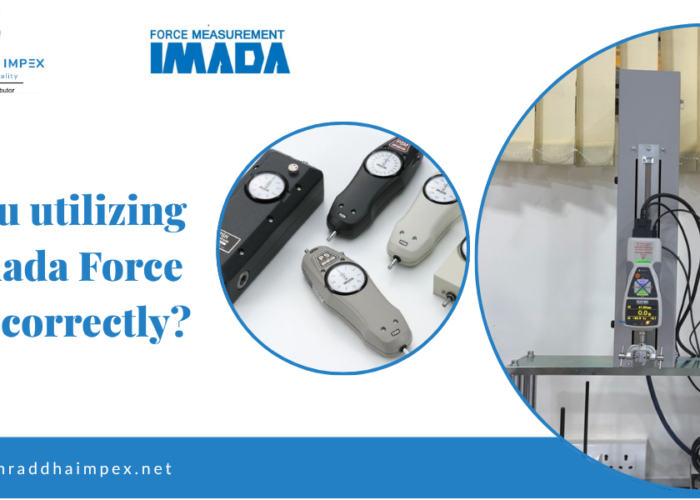
If you are new to force gauges, choosing the right one can feel confusing at first. There are many options available, from simple push-pull gauges to advanced digital systems like an Imada push-pull gauge or an Imada force gauge. This complete force gauge guide will help you understand everything in a simple way so you can make the right decision without overthinking.
What is a Force Gauge?
A force gauge is a measuring tool that calculates how much force is applied to an object. It can measure different types of forces like tension, compression, peel, and friction.
Most modern industries depend on force measurement for accurate testing. From packaging to electronics, force gauges help maintain quality standards and improve product reliability.
Types of Force Gauges You Should Know
Before buying, it is important to understand the two main types:
1. Mechanical Force Gauges (Push Pull Gauges)
Mechanical push-pull gauges work using a spring mechanism. When force is applied, the spring moves, and a needle shows the reading on a dial.
These are:
- Simple to use
- Cost-effective
- No power required
- Durable for basic applications
They are ideal for beginners or for applications where high precision is not required.
2. Digital Force Gauges
Digital gauges, like an Imada force gauge, use sensors to measure force and display readings on a screen.
They offer:
- Higher accuracy and precision
- Data storage and analysis
- Features like peak hold and pass/fail testing
These are best for professionals who need detailed data and consistency.
Key Factors to Consider Before Buying
1. Force Range
Always choose a gauge with a higher capacity than your expected force. This prevents damage and ensures accurate readings.
2. Accuracy
If your work requires precise measurement, go for digital models. Mechanical gauges are good for general use but less accurate.
3. Application Type
Think about what you will measure:
- Pull testing
- Compression testing
- Material strength
Different applications may require different attachments or setups.
4. Ease of Use
Beginners should start with simple handheld models. Many force gauges are designed for easy hand use or can be mounted on test stands for better stability.
5. Data and Connectivity
If you need reports or analysis, choose a digital gauge that can connect to a computer and store data.
Why Imada Force Gauges Are Popular
An Imada push-pull gauge is known for its reliability and quality. These gauges are widely used because they offer both mechanical and digital options, depending on your needs.
Some advantages include:
- Strong build quality
- High accuracy
- Wide product range
- Trusted in industrial applications
They are suitable for both beginners and professionals.
Handheld vs Test Stand Usage
Force gauges can be used in two ways:
Handheld Use
- Quick and easy
- Best for simple testing
- Cost-effective
Mounted on Test Stand
- More accurate and repeatable results
- Better for detailed testing
- Useful for industrial setups
If you want consistent results, using a test stand is always a better option.
Attachments and Accessories Matter
Force gauges use different attachments depending on what you are testing. These attachments help apply force correctly to different shapes and materials.
Choosing the right attachment improves:
- Accuracy
- Safety
- Repeatability
Common Beginner Mistakes to Avoid
- Choosing the wrong force range
- Ignoring accuracy requirements
- Not considering future needs
- Buying without understanding the application
Avoiding these mistakes will save both time and money.
If you are planning to buy genuine force measurement equipment, it is important to purchase from an official distributor like Shraddha Impex. Buying from an authorized distributor ensures that you get original products, proper technical support, warranty, and calibration services if required.